



Layers in photography can definitely give more visual interest to a picture. I’m not talking about a post processing technique. This article is about using layers in a photographic composition.
We get layers in almost every photo we take, whether it is landscape, urban/rural scenery, or a close-up.
BTW: I uploaded some of these photos to my Fine Art America gallery. Click on the links for details:
However, when not used properly, layers can just go unnoticed. Not only, but too many elements can simply clutter the image. We don’t want that. What we want instead is to add a visual appeal to our picture.
In my travel photography I often use layers in various circumstances and for various reasons. Here are some examples: **Click on the pictures for a larger view!
Layers in photography creating patterns
I noticed that some of the most attractive patterns in nature are created by layers of waves, mountain crests, rolling hills or clouds:
1 – Moving water on the Atlantic ocean in the sunset light, viewed in Gros Morne National Park, Newfoundland, Canada:
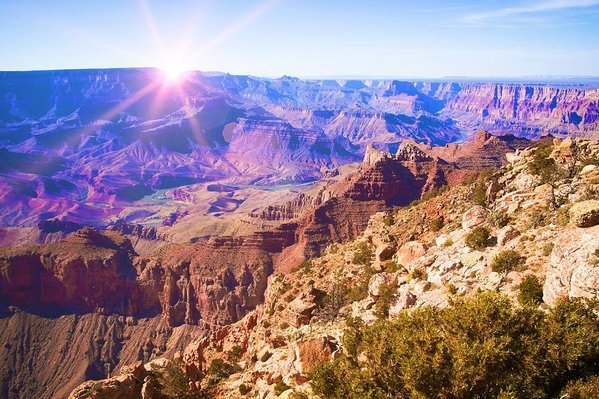
2 – Mountain crest silhouettes in Grand Canyon South, Arizona:
3 – In the Grand Canyon you will always be able to capture beautiful natural layers
** I have several photos from this place, all layers and layers 🙂 You can see them in my Grand Canyon gallery

4 – Rippled clouds over the Mohave Desert mountains in Arizona:

Layers creating frames
Sometimes it’s a good idea to use frames around our subject. Whether man-made or natural, frames will always help emphasize our main photographic element. A good example of natural framing is my Mount Rainier covered by snow in the summertime. But there are so many other examples, like:
1 – The solstice full moon framed by layers of clouds in Arizona:

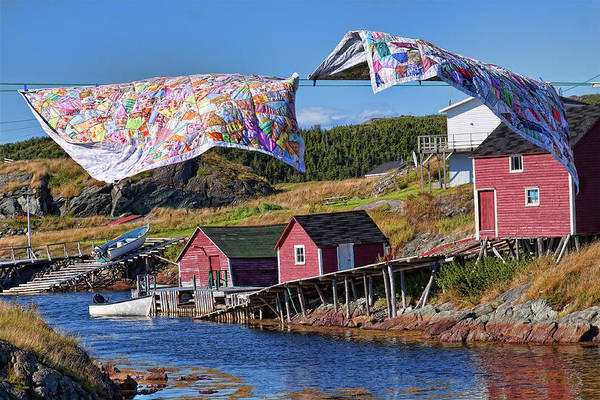
2 – Newfoundland quilts and fisherman’s shacks in Change Islands:
3 – One of my favorite of Monaco Montecarlo series is the statue in front of the Prince’s Palace. There are also several other examples of layers in my “Monaco One Day Visit” post:

4 – Layering with selective focusing can add more drama to a picture. “Feeding time” is a scene I took on a bus in Germany with my telephoto 🙂

Layers in photography create a 3 dimensional effect
Want a three dimensional picture? Place yourself behind a foreground object or element; next, include an element in the middle of the scene; then make sure you also show the background. The foreground can be anything like part of a road, a rock, plants or humans. Sometimes I use shadows or water reflections to create the first layer. Here are some examples:
1 – Mount Hood covered by snow in Oregon, viewed from the highway:

2 – Dolphin Cove Inn, Manzanillo, Mexico
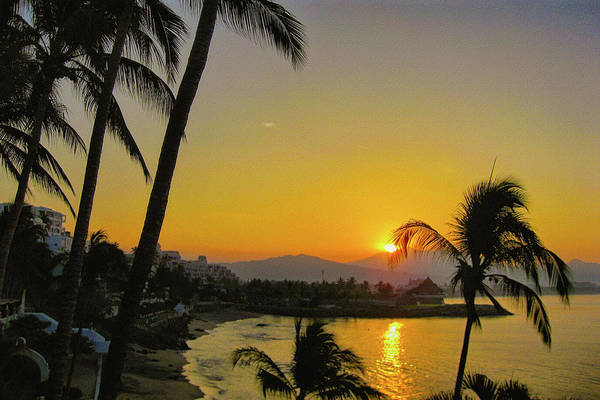
3 – Flaming Gorge Reservoir, Utah at fall:

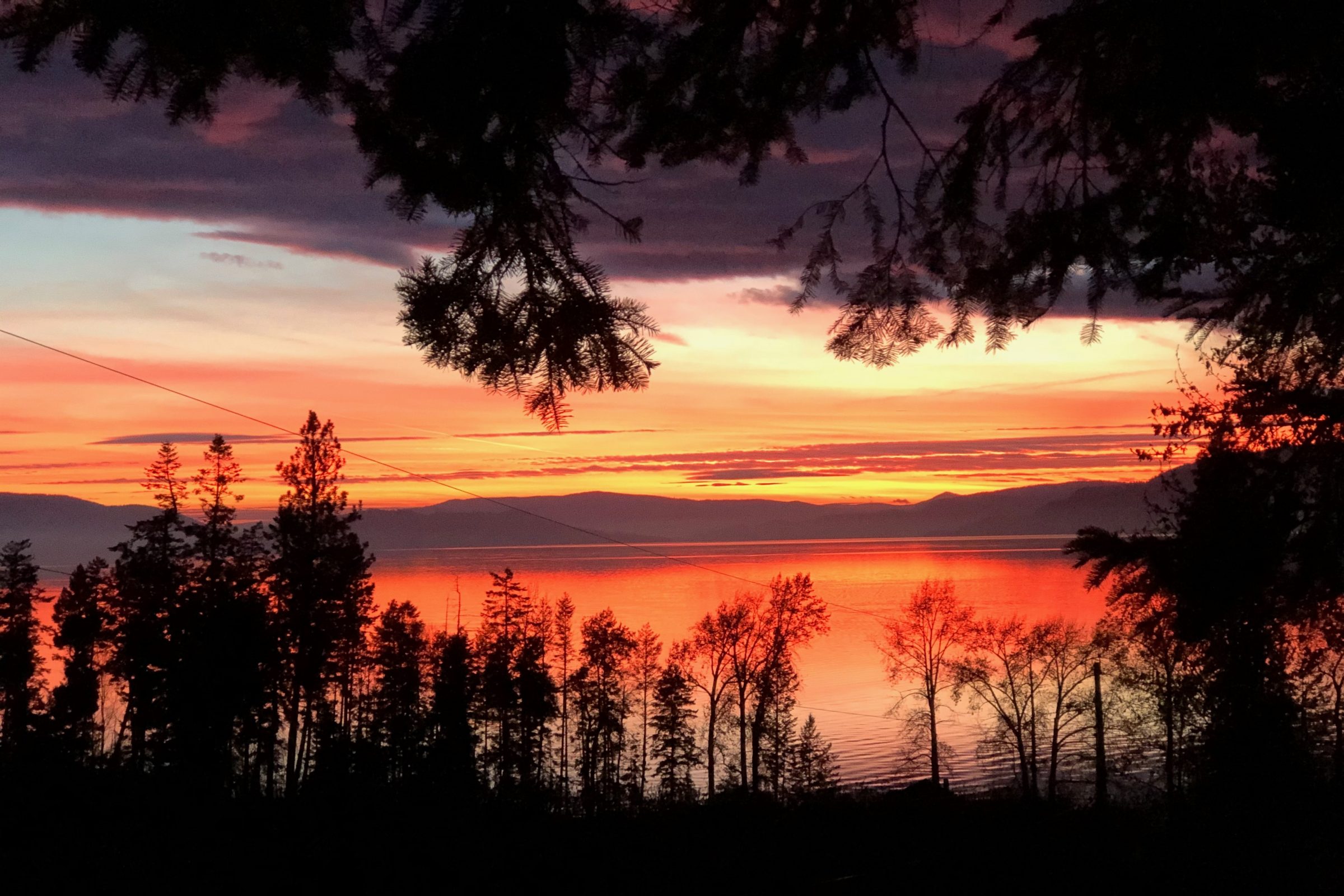
Layers of Color and Light
1 – Sunset and silhouettes over the lake in Coba Mexico:
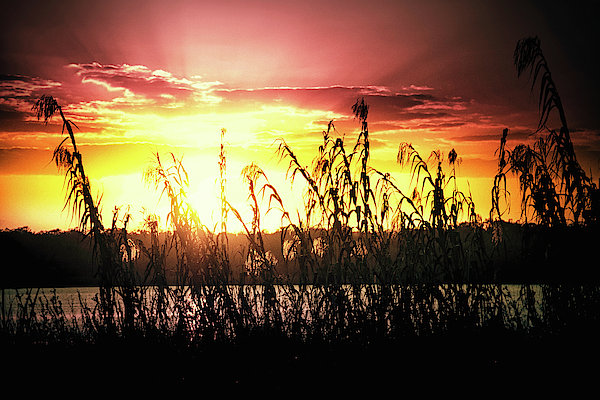
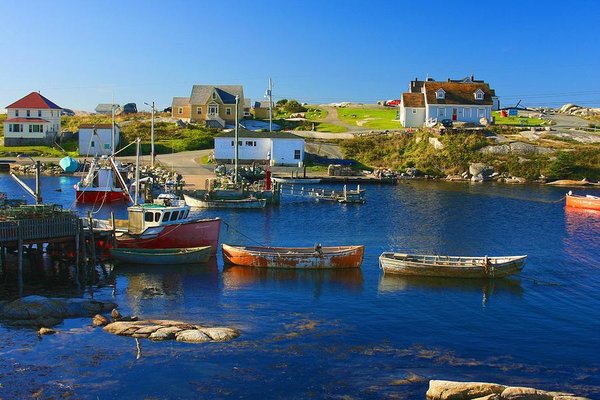
2 – “As Above So Below”. This is a Digital Paint version of a landscape and water photo I took in Nova Scotia, Canada. It is an example of using water reflections for the foreground layer. It is also an example of layers created with color:
Using layers to create a story telling image
1 – At the school
I took this photo in St. Mary’s harbor, Labrador. It could have been just a flat picture of some children waiting to enter the school building. While watching the kids, I noticed this boy walking down the road. He was on his own about to facing a small hill to be crossed. Was he late, was he reluctant to go there? Who knows. What I know is that his presence added a new dimension to the scene, along with a story:

2 – “No Place Like Home”, is a scene in a small village near Coba, Mexico:

3 – Kuna Yala kids living on a coffee farm in Boquete, Panama. it was laundry day.

I have a lot more photos showing layers in photography, but it is impossible to insert them all in one post. I hope however that you enjoyed seeing the few that I did 🙂






It is fascinating to see the majestic Mount Rainier covered by snow in the summertime.
For those who don’t know, this is actually an active volcano. Not an ordinary volcano though… This one is the most dangerous volcano on Earth, with a huge destructive power. But it is not rare when some of most beautiful existing things are also the most dangerous – is it?
In the area, you can even notice evacuation route signs, when driving on the Washington state roads. I couldn’t believe my eyes when I saw one, then another one, and finally lots of them… Wow, I never thought that the danger it was that serious! You better be careful 🙂

On the other hand, being the highest mountain in the Cascade Range of the Pacific Northwest, USA, it is often covered by snow. Because of this, the difficult relief and climbing conditions, many hikers lost their lives on it. I heard that sportives who want to rich the heights of Mount Everest train themselves first on Mount Rainier. That’s not for everybody though 🙂
Mount Rainier covered by snow in the summertime
Myself, I prefer to see it’s beauty from afar even better in the summertime 🙂 But I like nature photography in all seasons. Well, this time it was a hot sunny beautiful day of July. Mount Rainier was dominating the landscape and the highway view. I had to ask my husband to go back and forth several time, to find the best spot for the photo 🙂 I finally found it and sat down in the grass, so I could also capture the pretty pink flowers. As beautiful as it is, the snow covered mountain in the summertime wouldn’t have been that interesting without a summer landscape framing it. The layers captured from this position also gave the picture a more sense of the mountain scale.
I think I did a good job with this composition. Therefore I decided to go even further and I made it as a watercolor painting. This being done, I uploaded my Mount Rainier watercolor to the Fine Art America gallery and you can see it as a fine art print for wall, home decor and accessories.
** I moved this post to my Giftsmart.com because of the travel related gifts I sold from my Fine Art America gallery
WordPress Challenges I participated in with this image:
Tuesday Photo Challenge – Back Catalog | Color your world: Cerulean |